
Oral Cancer Detection Before it’s Too Late. Stages, Symptoms, and Treatment for Mouth Cancer
Oral cancer is a type of cancer that develops in the mouth and throat tissues in the squamous cells. This type of cancer mainly occurs in people over 40 years old, and each year, roughly 49,000 people get diagnosed with mouth cancer in the United States alone.
In this article, we will be going over the types of oral cancers, the risk factors associated with them, the symptoms and stages, and the treatments available to cure the disease.
Oral Cancer
Types and where it can be detected:
-
-
- Lips
- Tongue
- Gums
- The floor of the mouth
- The inner lining of the cheek
-
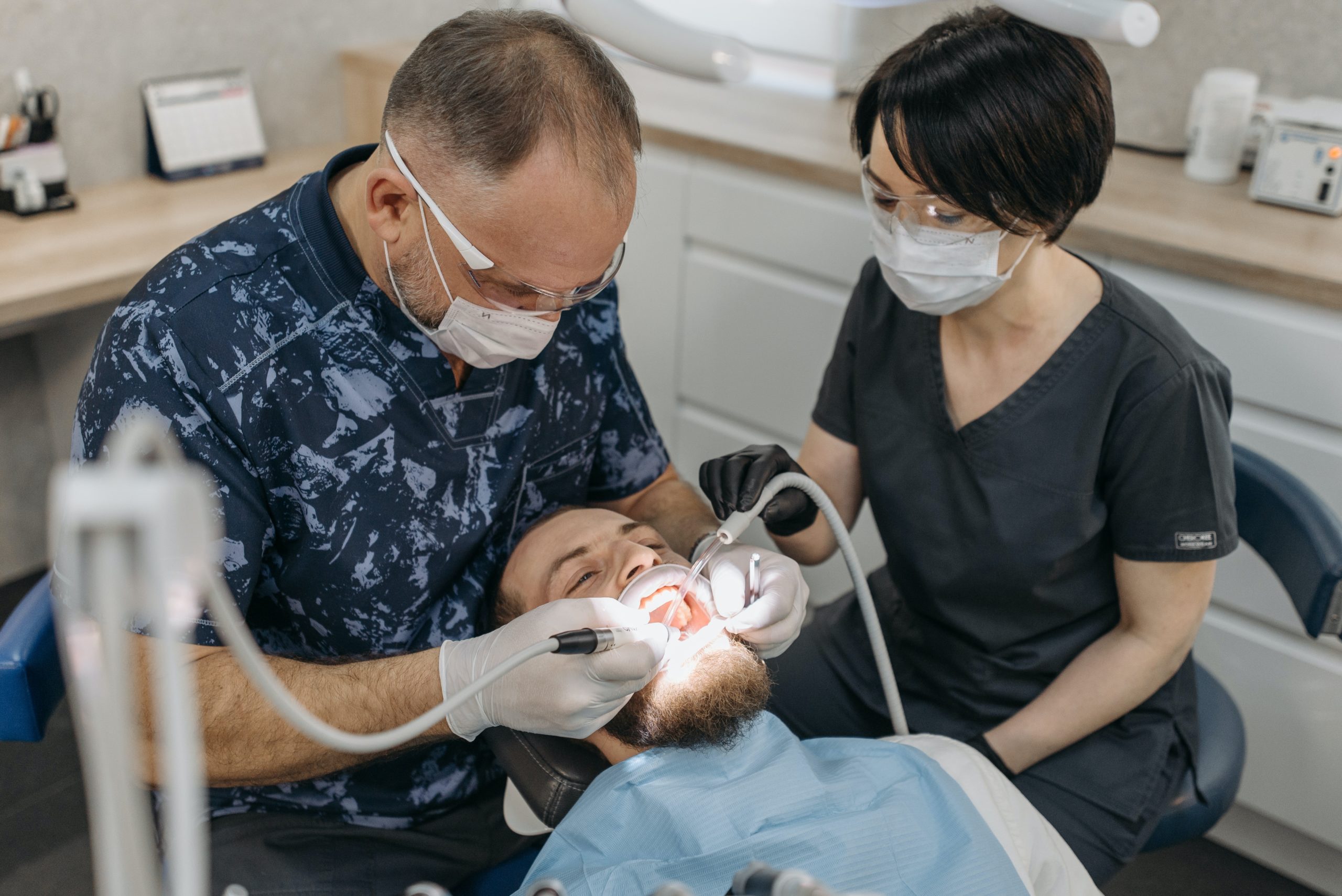
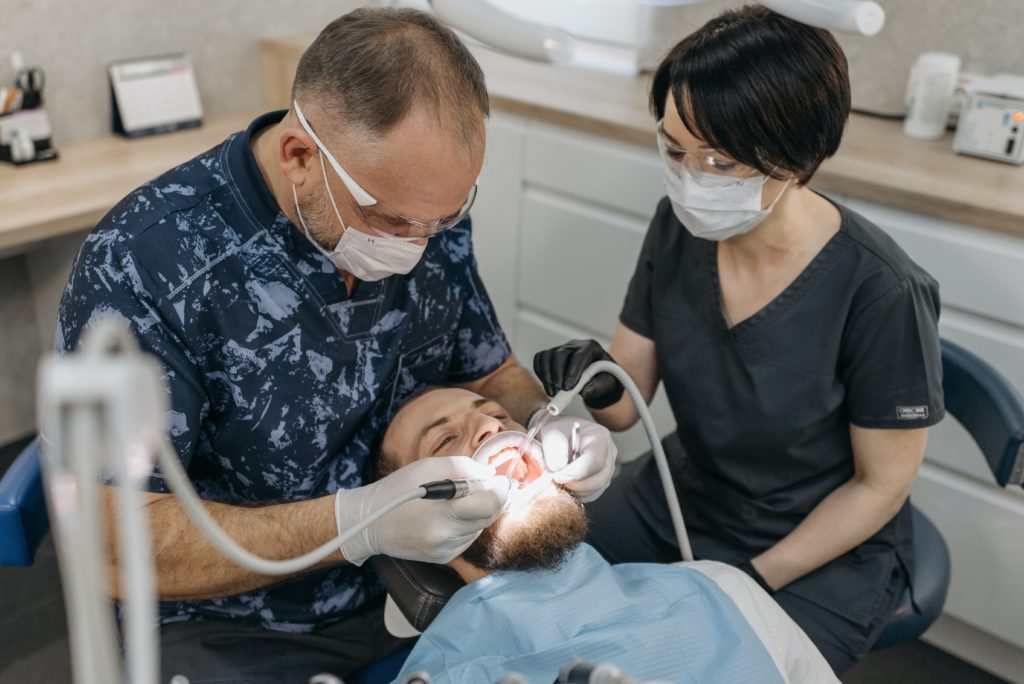
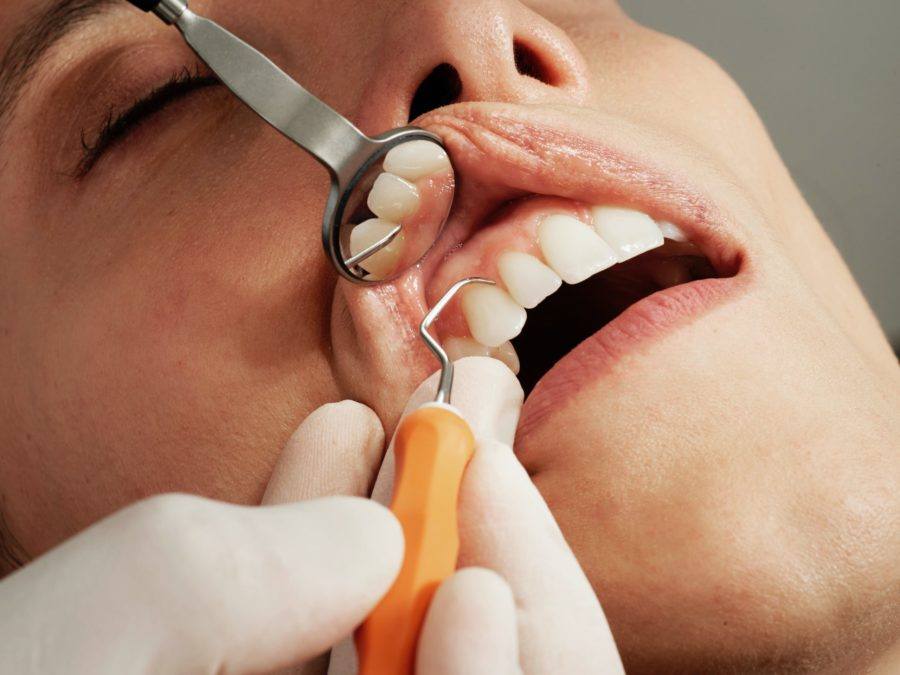
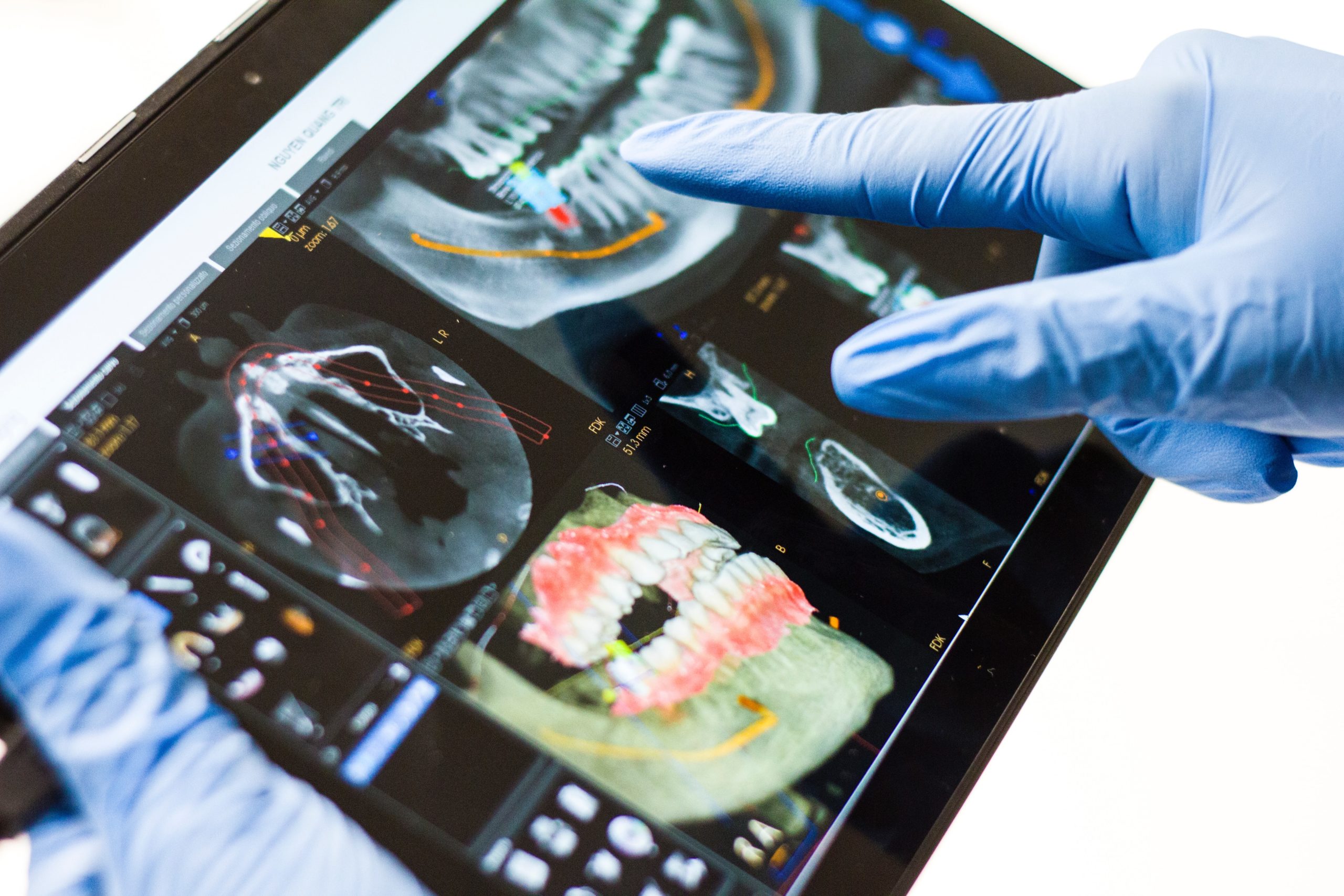
Your orthodontist is the primary healthcare provider who can detect signs of mouth cancer developing inside your mouth. Unfortunately, if not diagnosed and treated in the early stages, oral cancer can travel up to the neck’s lymph nodes, causing irreversible damage. It is, therefore, essential to get biannual checkups with your dentist to ensure good health and the safety of your mouth.
Risk Factors that May Lead to Mouth Cancer
One of the leading causes and the most significant risk factor which leads to mouth cancer is the consumption of tobacco from cigarette smoking.
Excessive alcohol consumption coupled with tobacco puts an individual at a greater risk.
Other risks include:
-
-
- Chronic sun exposure to the face
- If an individual previously had oral cancer
- If an individual has a family history of oral or other types of cancer
- A week immune system
- Genetic syndrome
- Poor diet and nutrition
-
Symptoms of Mouth Cancer
The following conditions and symptoms may lead to mouth cancer; therefore, it’s important to know the signs before it’s too late:
-
-
- A sign of mass or growth inside your mouth
- Recurring bleeding from your mouth
- A sore on your lips that refuses to heal
- If you’re having difficulty swallowing
- A lump in your neck
- A sore throat
- If you notice the appearance of white or red patches inside or on your mouth and lips
- Jaw pain and stiffness
-
Some of these symptoms may not be mouth cancer and could be indicating some other issue, but if any of these symptoms are persistent and begin to appear one at a time, book an appointment with your dentist today and get it checked out.
Stages of Oral Cancer and Treatment
Oral cancer can be detected at the early stages if your dentist finds any growth or tumors inside the mouth. But, first, they will perform a tissue biopsy to collect the cells from the tumor to get examined for any cancerous cells.
The four stages of mouth cancer depend on the size of the tumors and how early they get detected.
Stage 1 is when the tumor is 2 centimeters or 3 smaller and hasn’t spread to the lymph nodes yet. While stage 4 constitutes tumors of any size that have grown large enough to spread to nearby tissues.
Mouth cancer can be treated by performing surgery, which involves removing the tumor and affected tissues. Radiation therapy and chemotherapy are performed as treatment in advanced stages. Radiation therapy involves radiation beams that target the tumor and breaks it down. At the same time, chemotherapy is a treatment where patients are given a drug that kills the cancerous cells.
Early detection of mouth cancer can lead to potential cure and recovery from the disease. Consult your dentist at your earliest if you notice any symptoms.
YOU MAY ALSO LIKE








Explore Topics!
Read our latest blogs!

Leave a Reply
Your email is safe with us.
You must be logged in to post a comment.